


There is something dangerously seductive about a low mileage Defender. The advert practically glows...
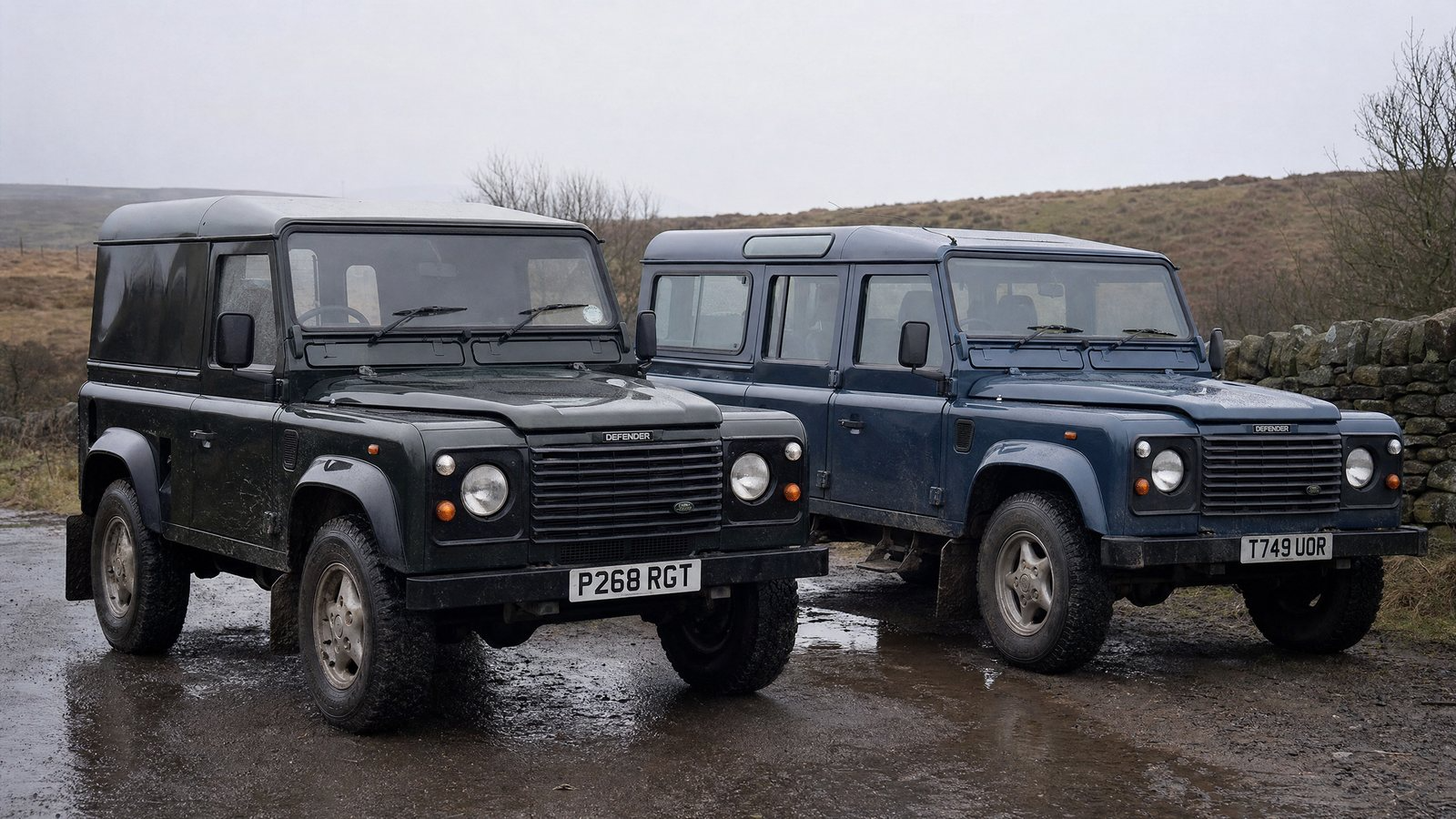



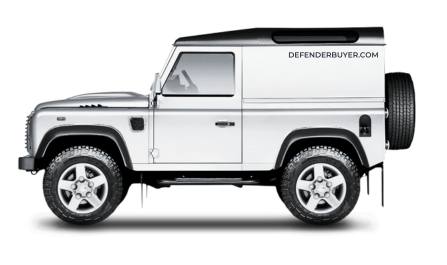
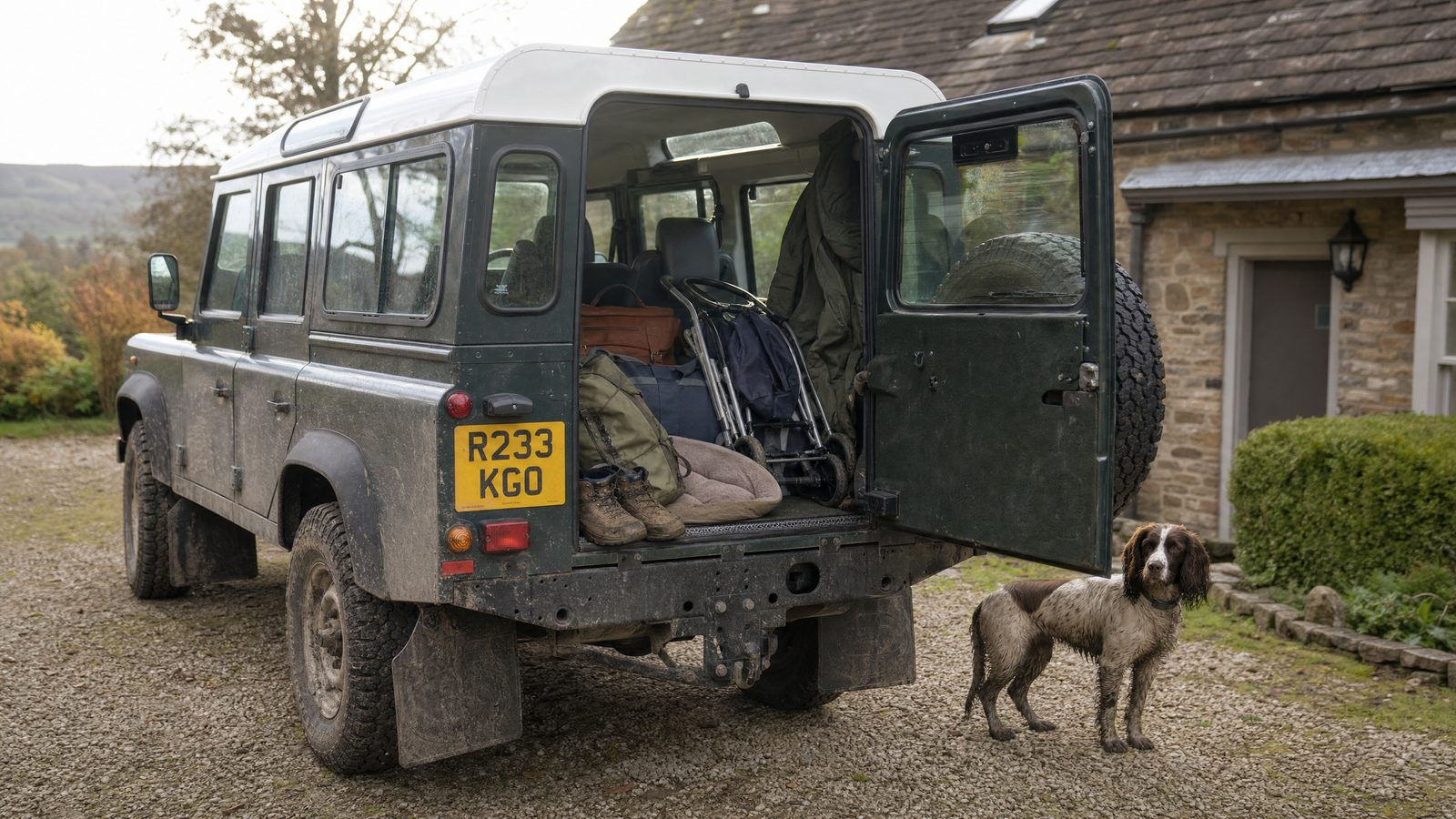
The Defender 90 and Defender 110 are technically part of the same family, but they do not really sell to the same part of the brain. The 90 is the one you look back at when you have parked it. The 110 is the one you quietly thank when you have children, dogs, luggage, shopping, muddy boots, a pram, a paddle board and one of those enormous coats that seems to occupy the same space as a small wardrobe.
That is not to say the 90 is a silly choice. Far from it. A good 90 has real charm, strong desirability and a very particular look that the longer models cannot quite copy. But if you are buying a Defender to use properly, rather than just admire from the kitchen window with a cup of tea in hand, the question becomes fairly simple. Do you want the Defender that makes your heart fizz, or the one that makes daily life easier?
The short answer for most buyers
For most people, the Defender 110 makes more sense. It has five doors, more usable load space, easier rear access, broader engine choice and a wider pool of future buyers when it comes time to sell. It is the version that feels most naturally suited to family life, long trips, dogs, work gear and the general nonsense that ends up in the back of a car by Friday afternoon.
The Defender 90, though, makes sense for a different sort of buyer. If you rarely carry rear passengers, want something easier to park, prefer the short wheelbase shape, or simply like the idea of a Defender that feels a little more personal, the 90 has a strong case. It is less practical, yes, but it is also more distinctive. In Defender terms, that still counts for quite a lot.
Usability in the real world
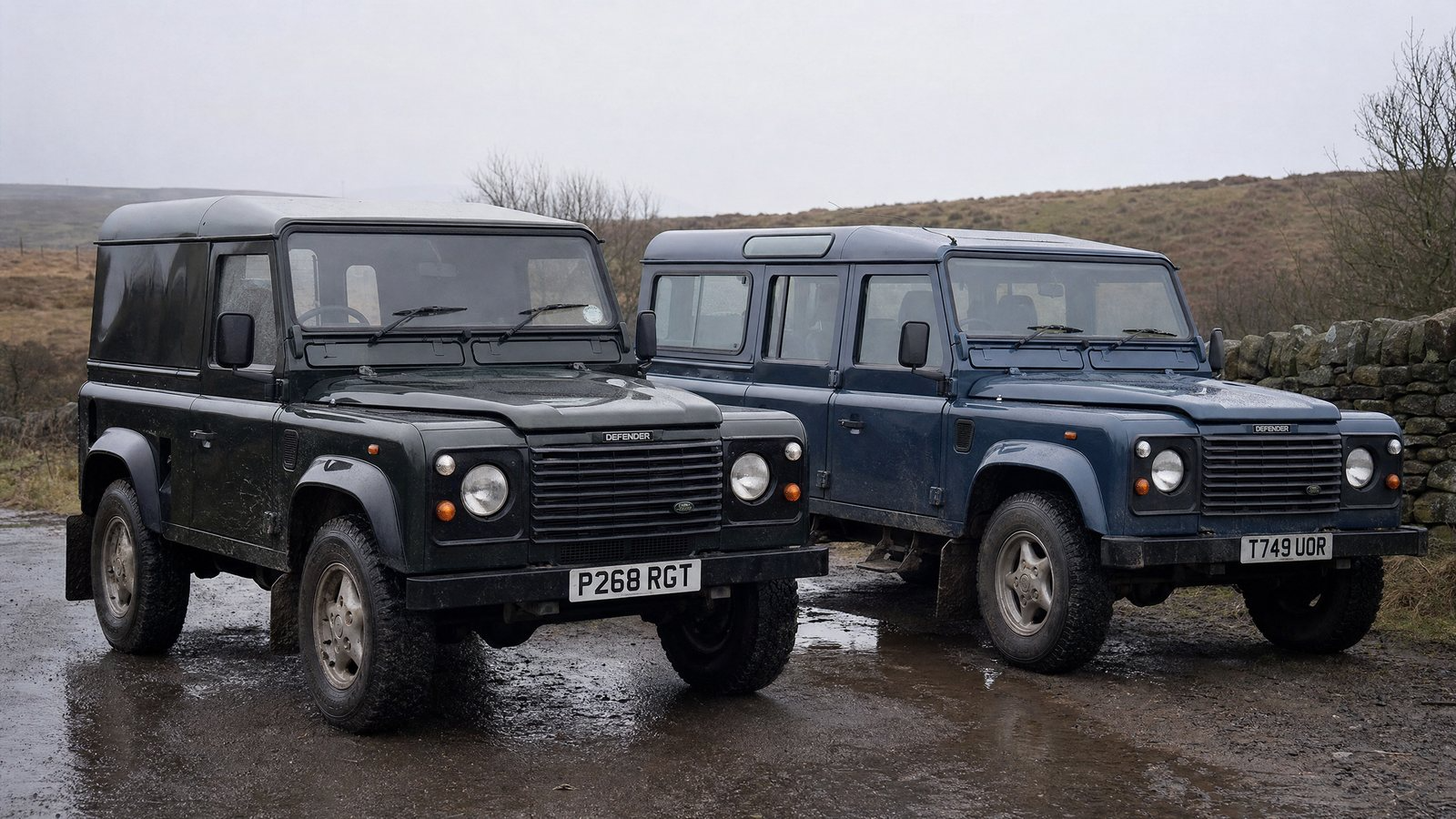
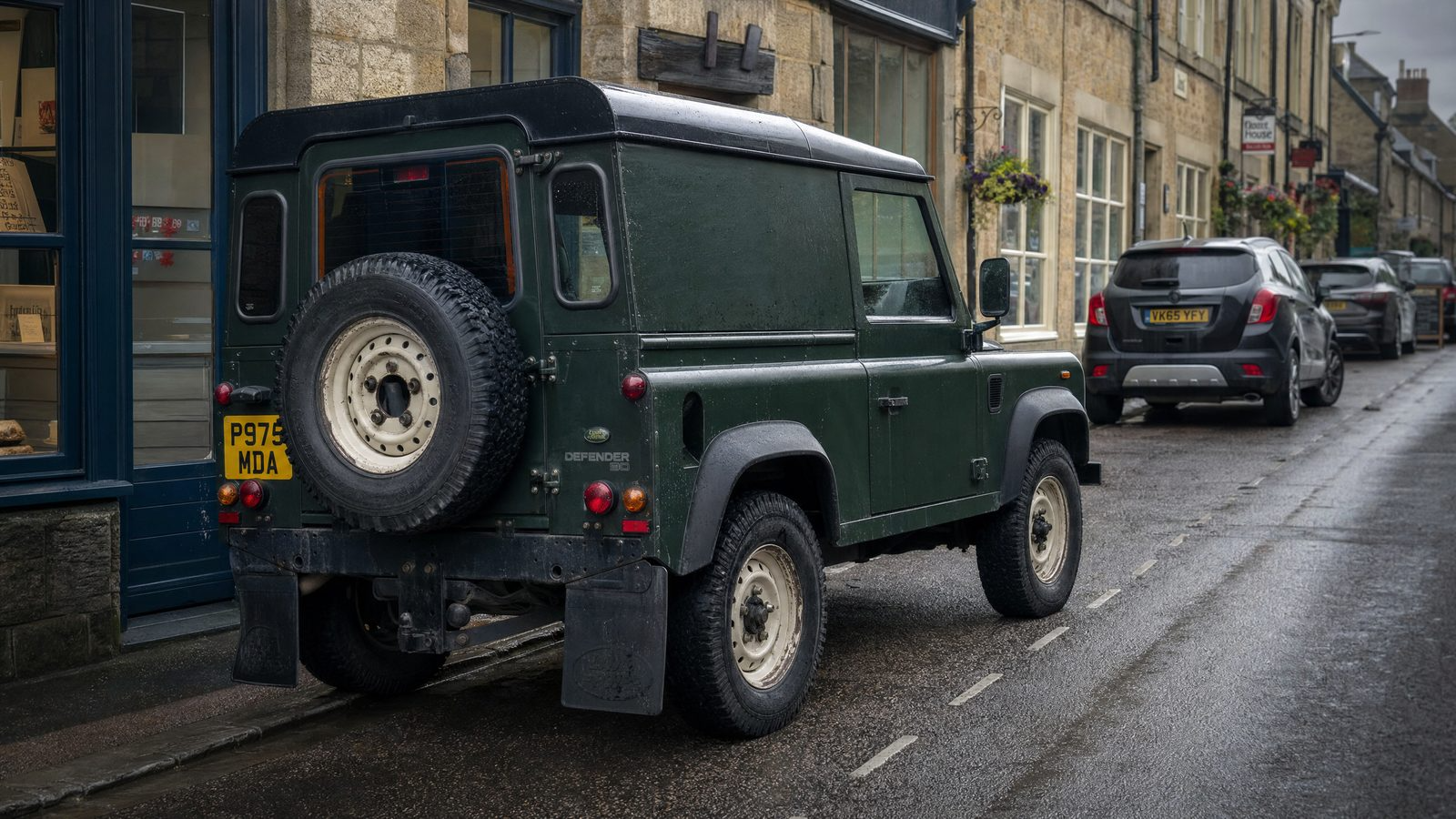
On paper, the 90 looks like the neat option. It is shorter than the 110, and that does make a genuine difference in car parks, tight lanes and towns where the roads appear to have been designed around a horse and cart. The modern Defender is still a wide vehicle, so the 90 is not exactly a city car in hiking boots, but its shorter length helps more often than you might expect.
The 110, however, is easier to live with once people and possessions enter the equation. Five doors change everything. If you have ever tried to load a child into the back of a three door vehicle while holding a school bag, a water bottle, a coat and your last remaining thread of patience, you will understand why the 110 has such obvious appeal. The 90 has decent rear space once you are in there, but getting in and out is the bit that tests your commitment.
Family life and passenger space
The 110 is the better family Defender by a comfortable margin. Rear passengers can get in without performing a small climbing exercise, child seats are easier to fit, and the cabin simply works better when the vehicle is being used every day. If you are doing the school run, airport run, supermarket run or the dreaded Saturday morning sports club run, the 110 is the one that makes fewer demands on your sense of humour.
The 90 can still work for families, but only if the back seats are occasional rather than essential. Teenagers may tolerate climbing in and out for a while, especially if they like the car, but younger children and bulky child seats are another matter. A 90 as a second car, weekend car or style led daily driver can be brilliant. A 90 as the main family wagon can feel like a lifestyle choice that occasionally bites back.
Load space and the stuff of life
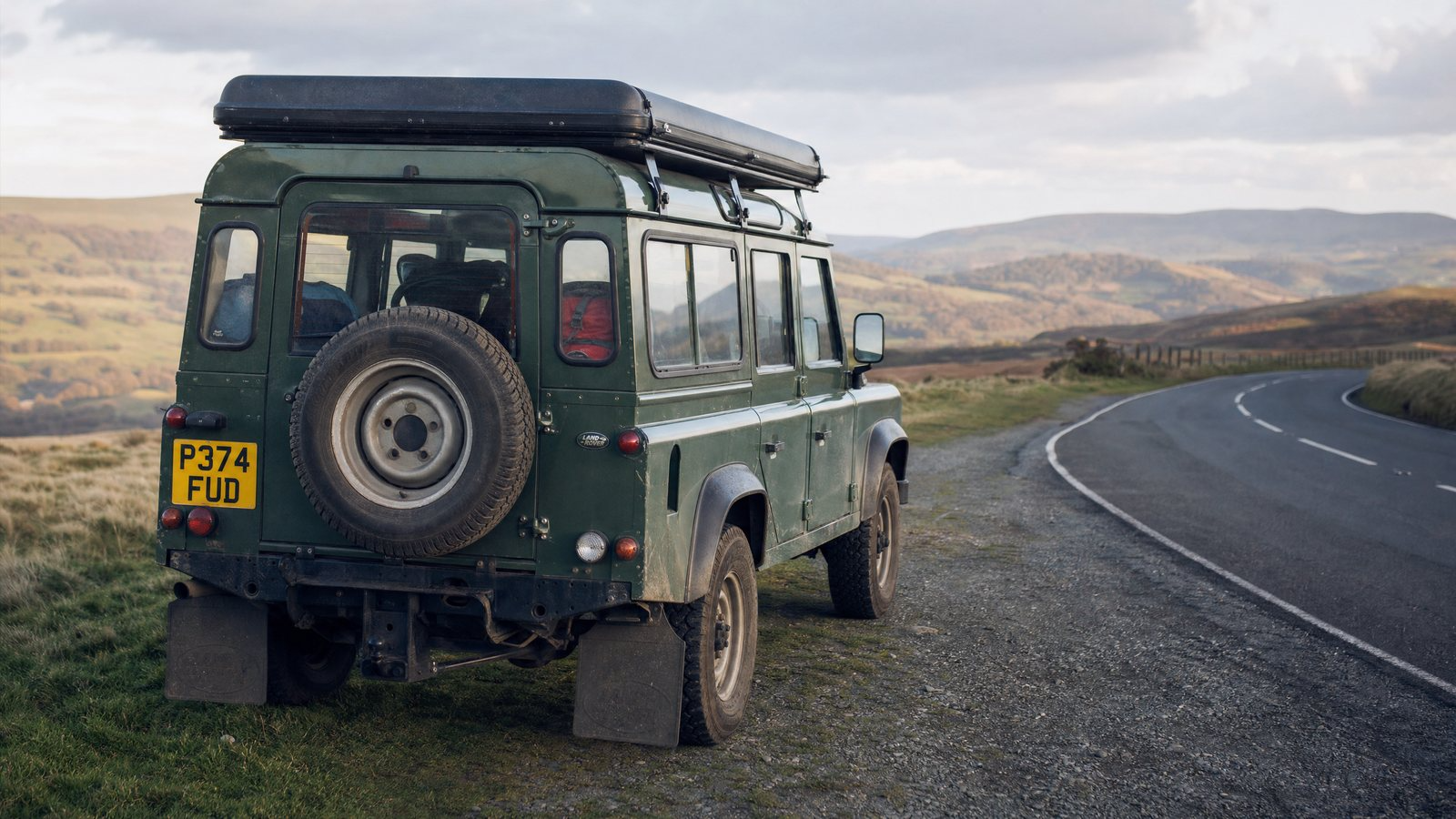
This is where the 110 starts to pull away. The 90 can take luggage, shopping and outdoor kit, but you need to pack with thought. With the rear seats in use, the boot is not huge for such a substantial vehicle, and although folding the seats opens up far more space, that only helps if you are not carrying rear passengers.
The 110 gives you the sort of load area that suits how people actually use Defenders. Dogs have more room, holiday luggage is less of a puzzle, and tip runs feel less like a game of automotive Tetris. If you regularly carry bikes, tools, camping kit, work equipment or family clutter, the 110 will make more sense from the first week of ownership.
Driving feel and road manners
The 90 feels a little more compact and alert, mainly because it is shorter and has that tighter short wheelbase character. It suits buyers who like the idea of a Defender with a slightly cheekier feel. Around town, on narrow roads and when parking, it can feel the more manageable of the two, even though both models still have the same broad shouldered Defender stance.
The 110 feels more settled and mature. On longer journeys, it has a calmer nature, especially in higher specification models with air suspension. It feels like the Defender that was built to cross counties without drama. The 90 has plenty of comfort, but the 110 has the more grown up stride, and if you spend lots of time on motorways or fast A roads, that counts.
Engines, towing and capability
Both the 90 and 110 are proper Defenders in the areas that matter. They have four wheel drive, serious off road ability and a towing capacity of up to 3,500 kg when correctly specified. In other words, choosing the shorter one does not mean buying the soft version. The 90 is not a fashion boot with a tow bar. It is still a very capable machine.
The 110 does tend to offer a broader spread of versions, including options that suit business users, families and high mileage buyers. That makes it easier to find the right used example, and it also means there are more buyers looking for one. If you want a plug in hybrid version, or you want maximum flexibility in specification, the 110 is normally the easier path.
Values and what buyers actually want
Defenders have generally done well for desirability, but that does not mean every model behaves the same in the used market. A clean, well specified 90 can attract strong interest because it looks special. It has that compact, chunky shape that many people imagine when they think of a modern Defender. For some buyers, the 90 is the cool one, and cool always has a value of its own.
The 110, though, has the broader market. More people can justify it because it does more jobs. Families, dog owners, rural buyers, business users and lifestyle buyers all overlap around the 110. That wider demand can help when selling, because you are not relying quite so heavily on finding someone who specifically wants the shorter three door version.
Resale appeal and specification
If resale matters, buy the best example you can rather than chasing the cheapest one. Condition, mileage, service history, colour, wheels, trim and sensible options all matter. A desirable specification can make a Defender much easier to sell, while an odd colour combination or neglected history can leave even a good model sitting around longer than expected.
For the 90, resale appeal is often strongest when the car feels special but not ridiculous. Buyers like a smart colour, good wheels, clean interior and the right stance. For the 110, practicality and specification work hand in hand. A well kept 110 with the right engine, good history and family friendly equipment will always have a large audience.
Which one should you buy?
Buy the Defender 90 if you want the more characterful choice and you can live with the compromises. It suits individuals, couples, occasional rear seat users, town and country drivers who value shorter length, and buyers who simply love the way it looks. There is nothing wrong with buying with the heart, provided the heart has at least glanced at the boot first.
Buy the Defender 110 if you want the one that makes sense most of the time. It is better for families, better for dogs, better for luggage, better for long trips and easier to recommend without adding a list of caveats. It may not have quite the same toy like charm as the 90, but it is the Defender that fits most lives most easily.
The final verdict
If you are asking the question purely from a practical point of view, the 110 wins. It is the more useful Defender, the more flexible Defender and probably the safer bet for future resale. It is the one I would point most buyers towards, especially if it is going to be the main car in the household.
But the 90 still deserves its place. It is less sensible, but not senseless. It is the Defender for people who want the shape, the attitude and the slightly more individual feel, and who do not mind giving up some everyday convenience to get it. The 110 is the answer most buyers need. The 90 is the answer some buyers will want anyway, and frankly, I can understand why.
There is something dangerously seductive about a low mileage Defender. The advert practically glows...
The Defender is an iconic vehicle, cherished all over the world for its rugged versatility and, in...
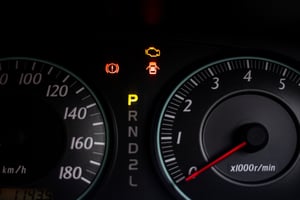
Your Defender’s dashboard (or instrument) cluster consists of the set of gauges and warning lights...
