


When it comes to cars, rust is the silent enemy that can quietly undo years of careful preservation...
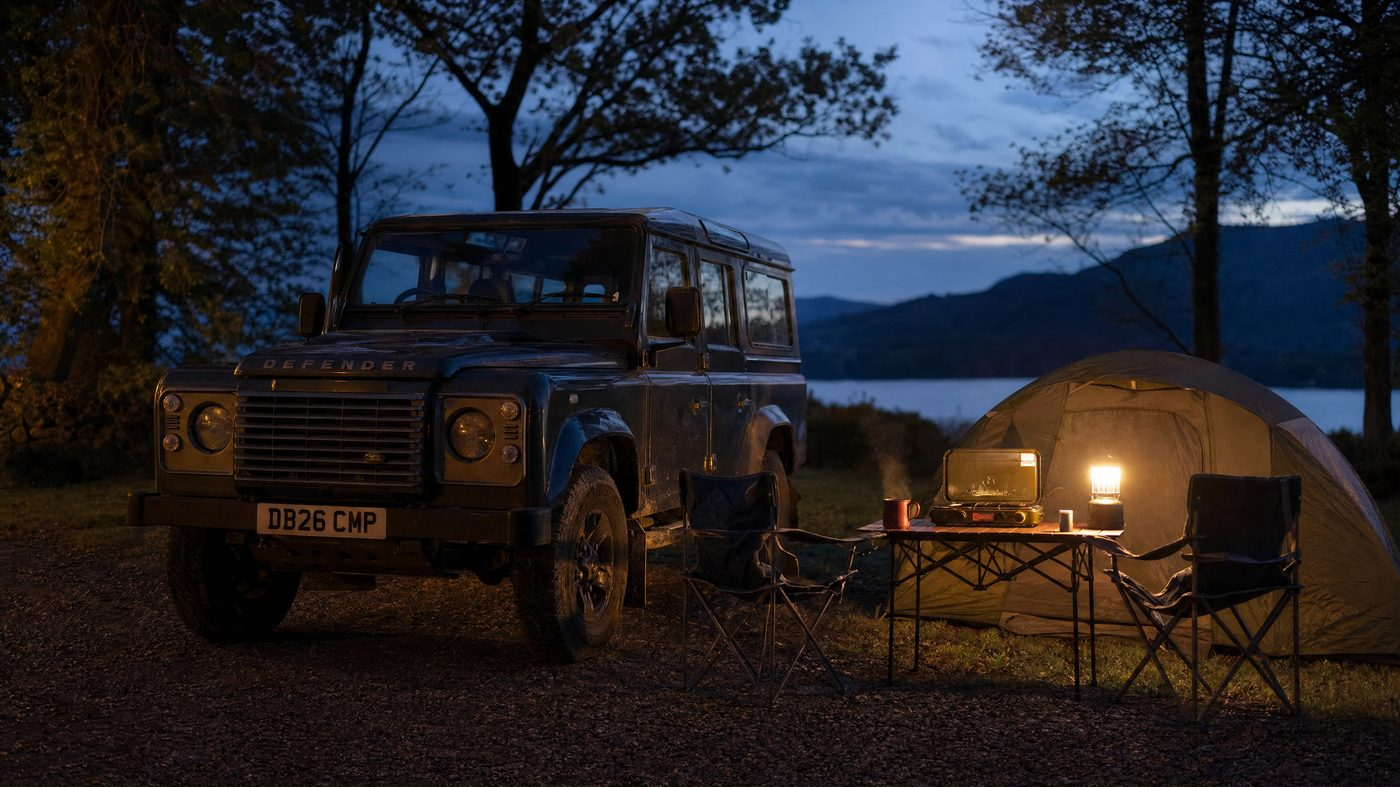



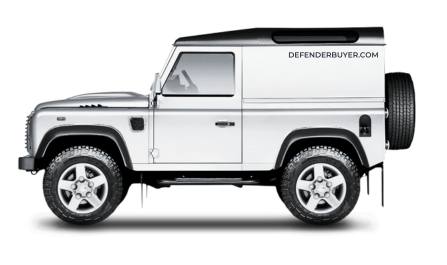
There are few vehicles that look more ready for an overlanding trip than a Defender. Park one outside a supermarket and it still looks as if it has just popped in for teabags before crossing a mountain range. That is part of the charm. The shape, the stance, the mud friendly personality and the faint suggestion that it would quite like you to stop faffing and point it at Wales.
The good news is that overlanding does not have to mean driving to Mongolia, growing a beard you can store cutlery in, or fitting half a camping shop to the roof. Your first trip can be a weekend away, a legal green lane route, a campsite with a view, or a gentle loop through the countryside where the biggest drama is discovering you forgot the coffee. Actually, that is quite dramatic.
What actually is overlanding?
In simple terms, overlanding is self reliant travel by vehicle, where the journey is part of the adventure rather than just the boring bit before you arrive. It usually involves camping, carrying your own kit, planning your route properly and being able to look after yourself and your vehicle if things become a little more interesting than expected.
That does not mean you need to head straight into the wildest place on the map. For a beginner, the best overlanding trip is one with a bit of challenge, a lot of common sense and several easy ways to turn around if the weather changes, the track looks awful, or someone in the passenger seat starts making that noise that means they are not enjoying themselves.
Start small and stay sensible
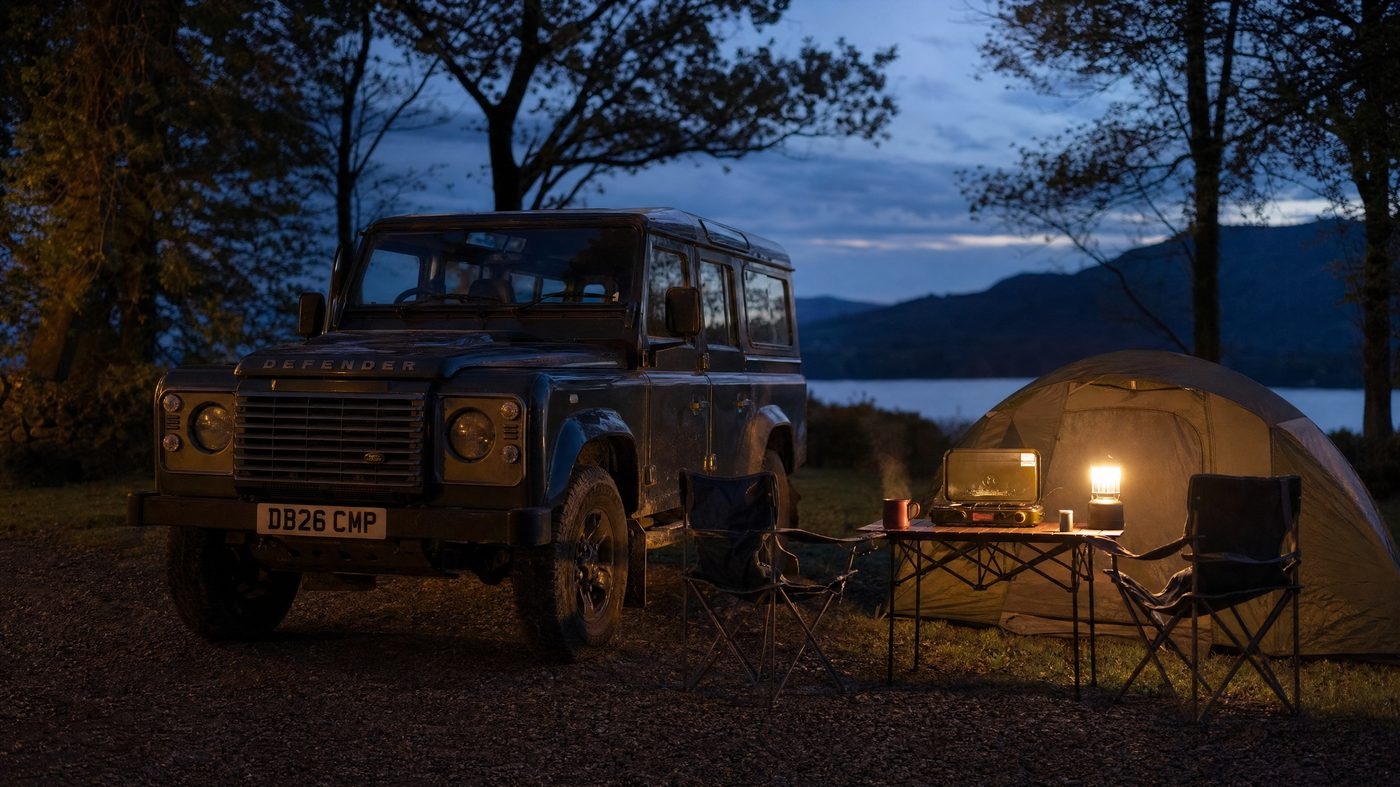
The biggest mistake beginners make is trying to plan a grand expedition before they have worked out where to put the kettle. Start close to home, keep the first trip short and choose routes that are legal, clear and suitable for your vehicle and experience. A one night test run is not a failure. It is a shakedown, which sounds far more professional and gives you permission to forget things without feeling like a complete cabbage.
If you are planning to use green lanes in the UK, remember they are public roads, not private playgrounds. You need to check that the route has legal vehicular rights, watch for seasonal closures or restrictions, and keep to the defined track. Footpaths, bridleways and restricted byways are not for Defenders, however persuasive your sat nav may sound after lunch.
Choose the right route before you choose the gear
Route planning is where the adventure starts, and it is also where most problems can be avoided. Look at the distance, the road surfaces, the weather, fuel stops, places to camp, possible road closures and the time of year. A route that is lovely in July can turn into a wheel spinning soup in February, and nobody wants to spend Sunday evening explaining to a farmer why their pride and joy is leaning in a ditch.
Use proper maps, not just a phone signal and hope. Ordnance Survey mapping, reputable route guides, local authority information and trusted 4x4 groups can all help. Save key points on more than one device and download maps before you leave. A paper map is still worth carrying, partly because it works without battery and partly because unfolding one in the cab makes you feel like an explorer, even if you are only ten miles from a Greggs.
Give your Defender a proper once over
Before buying shiny accessories, make sure the Defender itself is ready. Check tyres, fluids, brakes, lights, battery, belts, hoses, steering, suspension, wheel nuts, wipers and the spare wheel. Make sure your jack is present, working and suitable for the vehicle. Also check that you can actually loosen the wheel nuts with the tools you carry, because discovering you cannot do this on a wet track is a deeply character building experience.
Older Defenders deserve a little extra kindness. Look for leaks, tired bushes, worn universal joints, loose wiring, cooling issues and anything that has been making a noise you have been politely ignoring. Newer Defenders are far more comfortable and clever, but they still need decent tyres, sensible loading, recovery points and a driver who understands that technology is helpful, not magic.
Tyres matter more than most gadgets
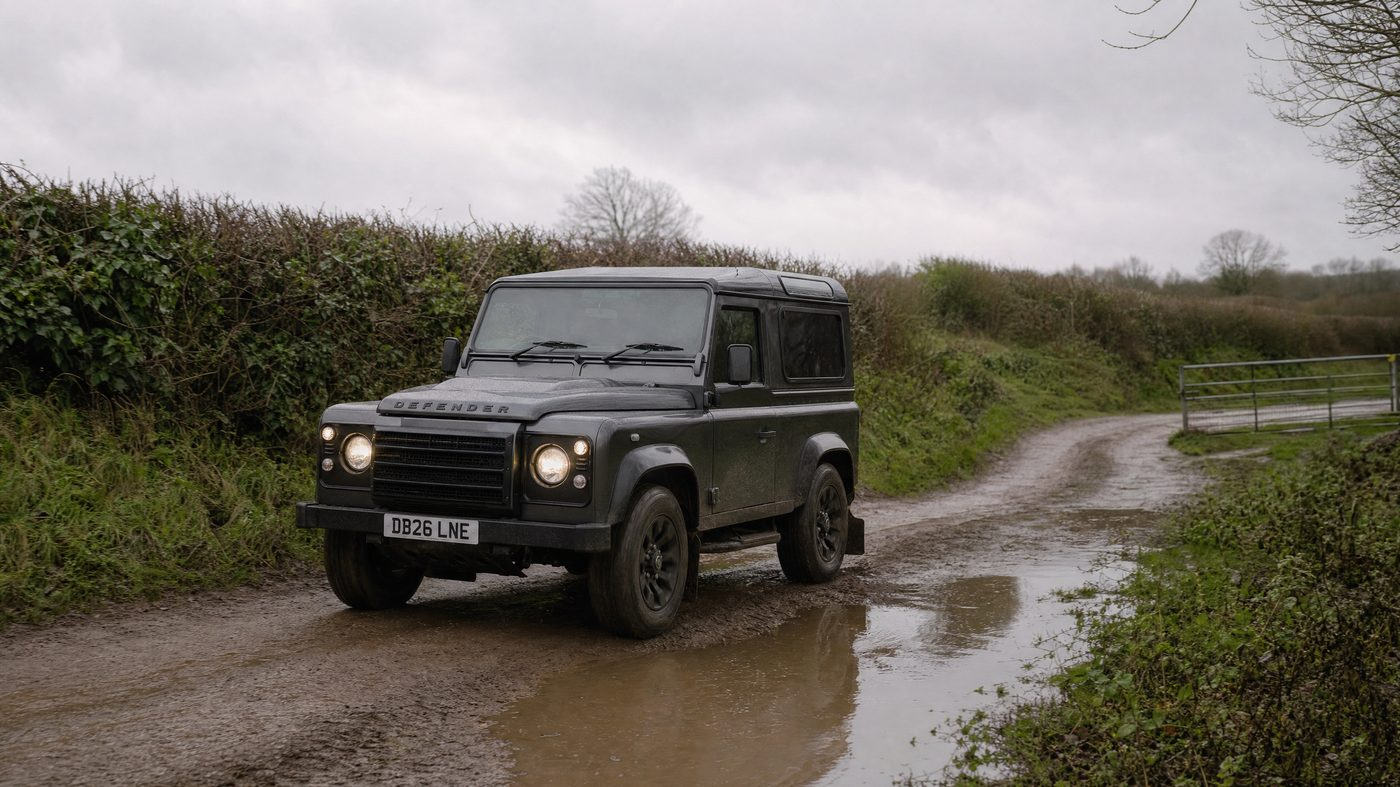
If you are going to spend money anywhere, tyres are usually a very good place to start. A quality all terrain tyre is a sensible choice for many beginner overlanding trips because it gives a good balance between road manners and grip on gravel, mud and wet grass. Full mud tyres might look heroic, but they can be noisy, heavy and less pleasant on long road miles.
Check tread depth, sidewalls and pressures before you go. If you plan to air down for rough ground, you will also need a way to air back up, such as a portable compressor. Do not guess tyre pressures or copy someone on the internet who appears to have confused enthusiasm with physics.
Pack the kit you need, not the kit Instagram wants
A beginner overlanding kit should cover the basics: somewhere to sleep, something warm to sleep in, food, water, cooking equipment, a torch, first aid kit, simple tools, spare bulbs or fuses, a tyre repair kit, a compressor, recovery gear, waterproof clothing and a bin bag for your rubbish. It is not glamorous, but glamour fades quickly when you are cold, hungry and trying to eat crisps with a tyre gauge.
You do not need a roof tent for your first trip. You do not need a fridge for one night away. You do not need a shower cubicle that folds out like a stage production. A ground tent, sleeping mat, warm bedding and a decent cool box will do the job perfectly well. Once you have done a few trips, you will know what you actually want rather than what the internet told you to want.
Water, food and fuel need boring sums
Boring sums keep adventures fun. Work out how much water you need for drinking, cooking, washing up and any dogs travelling with you. In warm weather or remote areas, take more than you think you will need. Running out of water is not quirky. It is just poor planning with a dry mouth.
Fuel deserves the same attention. Off road driving can use far more fuel than normal road driving, especially if the going is slow, hilly or muddy. Plan fuel stops, know your range and add a healthy safety margin. Carrying extra fuel can be useful on remote trips, but it must be stored safely and only carried when genuinely needed. A jerry can strapped on for a trip to a campsite with three petrol stations nearby is mostly just theatre.
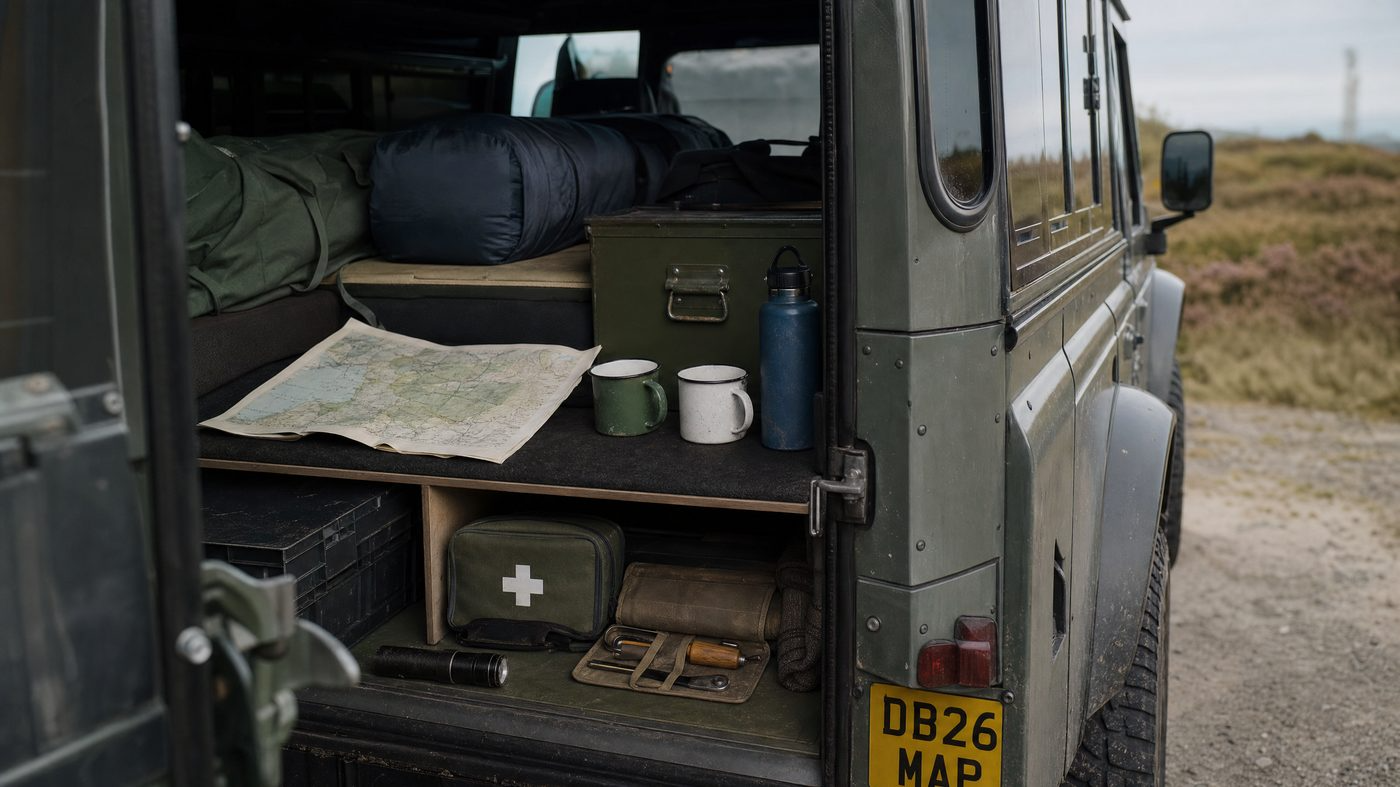
Recovery gear is not a personality
Basic recovery gear is sensible. A proper recovery strap or kinetic rope, rated shackles, gloves and a long handled shovel are all useful items. What matters is that the gear is rated, suitable for the weight of your vehicle and used with safe recovery points. If you do not know how to use it, learn before you need it. The middle of a muddy lane is a poor classroom.
A winch can be brilliant, but it is not a beginner badge of honour. Used badly, recovery equipment can be dangerous. Keep people well clear, avoid sudden heroics and never attach recovery gear to random bits of bumper or tow ball unless you enjoy turning metal into high speed regret.
Think carefully about weight
Defenders can carry a lot, but that does not mean they should be loaded like a removal van going through a midlife crisis. Heavy items should be secured low inside the vehicle, not stacked high on the roof. Roof racks are useful for bulky light kit, but too much weight up top affects handling, braking, fuel economy and common sense.
It is also worth leaving space for living. If every mug, coat and saucepan has to be excavated from beneath three crates and a folding chair, you will lose patience before the kettle boils. Pack in a way that lets you stop, cook, sleep and leave again without rebuilding the vehicle every time.
Drive like you want to come home in one piece
Overlanding is not about attacking the countryside. Slow down, read the ground and give yourself time to react. Use low range where it helps, avoid wheel spin, keep momentum gentle and do not be afraid to get out and walk a section before driving it. The best drivers are not the ones who make the biggest splash. They are the ones who do not need rescuing by someone called Dave with a tractor.
If you meet walkers, cyclists, horse riders or other vehicles, be patient and polite. Stop for horses, keep noise down, close gates as you found them and leave no trace. Defender owners already attract attention, so it is worth making sure that attention is followed by someone saying, “They were decent,” rather than something less printable.

Camp comfort is not cheating
There is no prize for being uncomfortable. Take a proper pillow, warm layers, dry socks, a chair and food you actually want to eat. A hot drink at the end of a long day can do wonders for morale, especially if the weather has been doing its best impression of a pressure washer.
Keep your camp tidy and simple. Arrive before dark if you can, because putting up a tent by head torch in sideways rain is a pastime best left to people with something to prove. Check the rules of your campsite or overnight stop, keep noise down and take every bit of rubbish home. Yes, even the tiny bits. Especially the tiny bits.
Common beginner mistakes to avoid
Do not overpack, do not rely on phone signal, do not drive illegal routes, do not ignore weather warnings and do not assume your Defender is invincible just because it looks like a brick with ambition. Also, do not test new kit for the first time in the dark. Practice using your stove, tent, compressor and recovery equipment at home, where the worst case scenario is embarrassment in front of the neighbours.
It is also wise not to travel alone on more challenging routes at first. Go with another sensible vehicle if you can, or choose an easy route with clear exits. Tell someone where you are going, when you expect to return and what to do if you do not check in. That may sound dramatic, but it is just sensible outdoor travel.
The Defender is the easy bit, mostly
A well prepared Defender is a brilliant overlanding companion. The older ones have character, visibility and a wonderfully practical shape. The newer ones bring comfort, clever systems and long distance refinement. Either way, the vehicle is only part of the story. The real secret is planning well, packing sensibly and resisting the urge to turn a first weekend away into a documentary series.
Your first overlanding trip does not need to be perfect. In fact, it probably will not be. You may forget something, take too much of something else, cook a meal that looks like a warning, or discover that the dog has claimed the best sleeping spot. That is all part of it. Start small, learn as you go and enjoy the journey. Your Defender has been waiting for this. Try not to keep it waiting too long.
When it comes to cars, rust is the silent enemy that can quietly undo years of careful preservation...
The Defender is a legendary off-road vehicle, designed to conquer the terrains most vehicles...
Rugged, reliable and steeped in history, this quintessentially British 4x4 has long been a...